

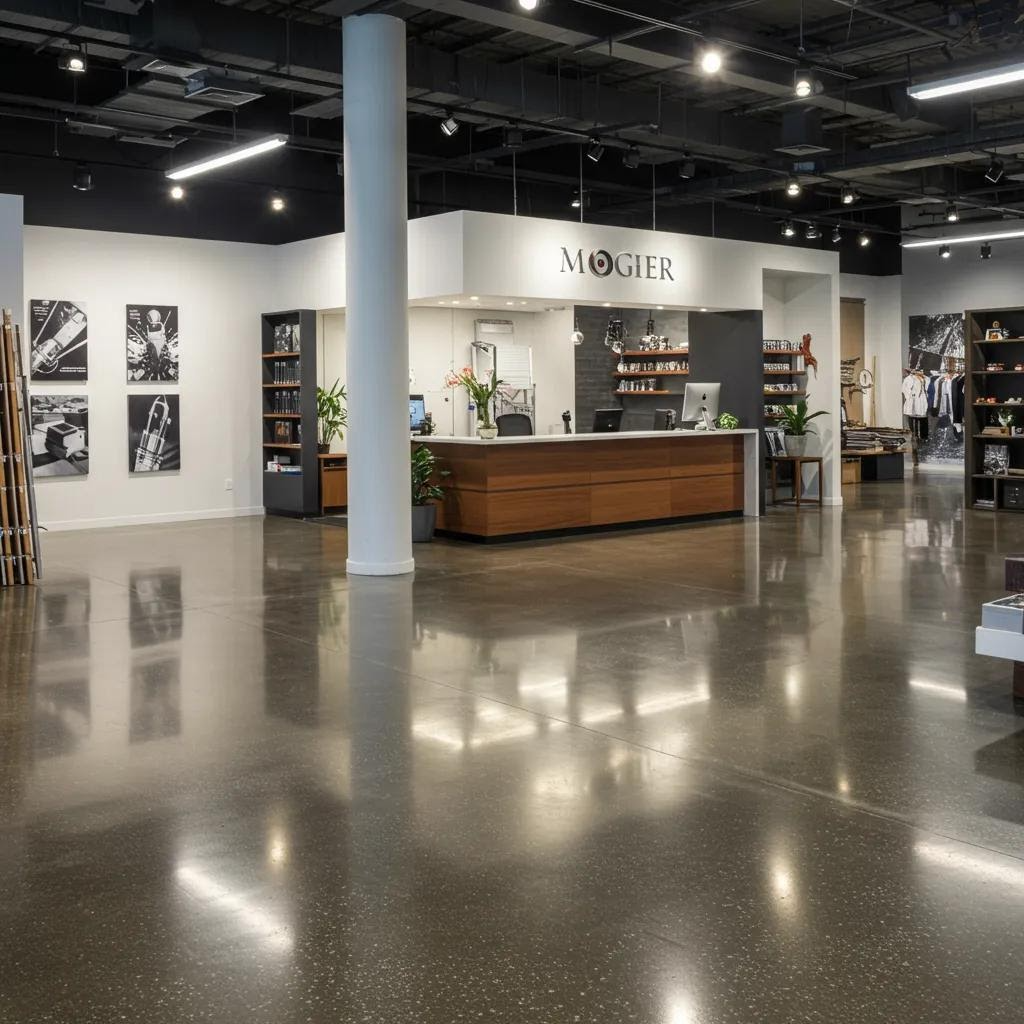
Commercial concrete solutions deliver unmatched durability, aesthetic versatility, and long-term cost savings for high-traffic business environments. This guide maps essential benefits, finish options, installation and repair practices, industry-specific flooring solutions, epoxy systems, and sustainability strategies. You will discover how commercial polished concrete floors, commercial concrete floor coatings, and commercial concrete epoxy applications enhance performance and appeal while supporting regulatory compliance, safety, and eco-friendly operations.
What Are the Key Benefits of Commercial Concrete Flooring?
Commercial concrete flooring, particularly polished concrete, combines structural strength, low maintenance requirements, slip resistance, and budget-friendly life-cycle costs. By transforming raw concrete slabs through polishing, sealing, or coating, businesses enjoy surfaces that withstand heavy loads, resist chemical exposure, and reflect architectural brand identities. A well-executed polished concrete floor offers both aesthetic appeal and robust functionality.
How Does Commercial Concrete Provide Durability and Longevity?
Commercial concrete achieves exceptional longevity by integrating high-strength cementitious mixes and steel reinforcement that resist compressive stresses. Polished concrete surfaces densify the slab’s top layer, preventing micro-cracking and abrasion. The inherent strength of polished concrete makes it a top choice for demanding environments. In warehouses and manufacturing plants, this results in decades of service life under forklift traffic and equipment impacts, establishing a stable foundation for operational continuity.
Why Is Low Maintenance Important for Commercial Concrete Floors?
Low maintenance reduces downtime and cleaning costs while preserving surface integrity. A sealed concrete floor, especially a polished concrete finish, repels oils, water, and dusting, so routine sweeping and damp mopping restore shine without harsh chemicals. This simplified upkeep enables retail and hospitality venues to enhance appearance with minimal labor, freeing staff for customer-facing tasks and boosting operational efficiency.
How Do Commercial Concrete Floors Enhance Safety with Slip Resistance?
Slip resistance stems from texturing, aggregate exposure, or specialized high-friction sealers that bond to the slab surface. This treatment delivers consistent traction even when wet, reducing slip-and-fall incidents in loading docks and public walkways. By selecting certified anti-slip coatings, property managers ensure compliance with safety regulations and protect both employees and visitors.
What Are the Cost-Effectiveness and ROI of Commercial Concrete Flooring?
Concrete’s extended lifespan and minimal maintenance translate into significant long-term savings. Initial investment amortizes over 30–50 years, outperforming tile or vinyl replacements every 5–10 years.
| Application Area | Installation Cost (per sq ft) | Maintenance Frequency | Expected Lifespan |
|---|---|---|---|
| Polished Showroom Floor | $6.50 | Quarterly cleaning | 40–50 years |
| Epoxy-Coated Warehouse | $4.75 | Annual resealing | 30–40 years |
| Sealed Parking Deck | $3.25 | Bi-annual inspection | 25–35 years |
This table illustrates how selecting the right finish optimizes value while supporting future renovations with predictable budgeting.
What Types of Commercial Concrete Finishes Are Available?
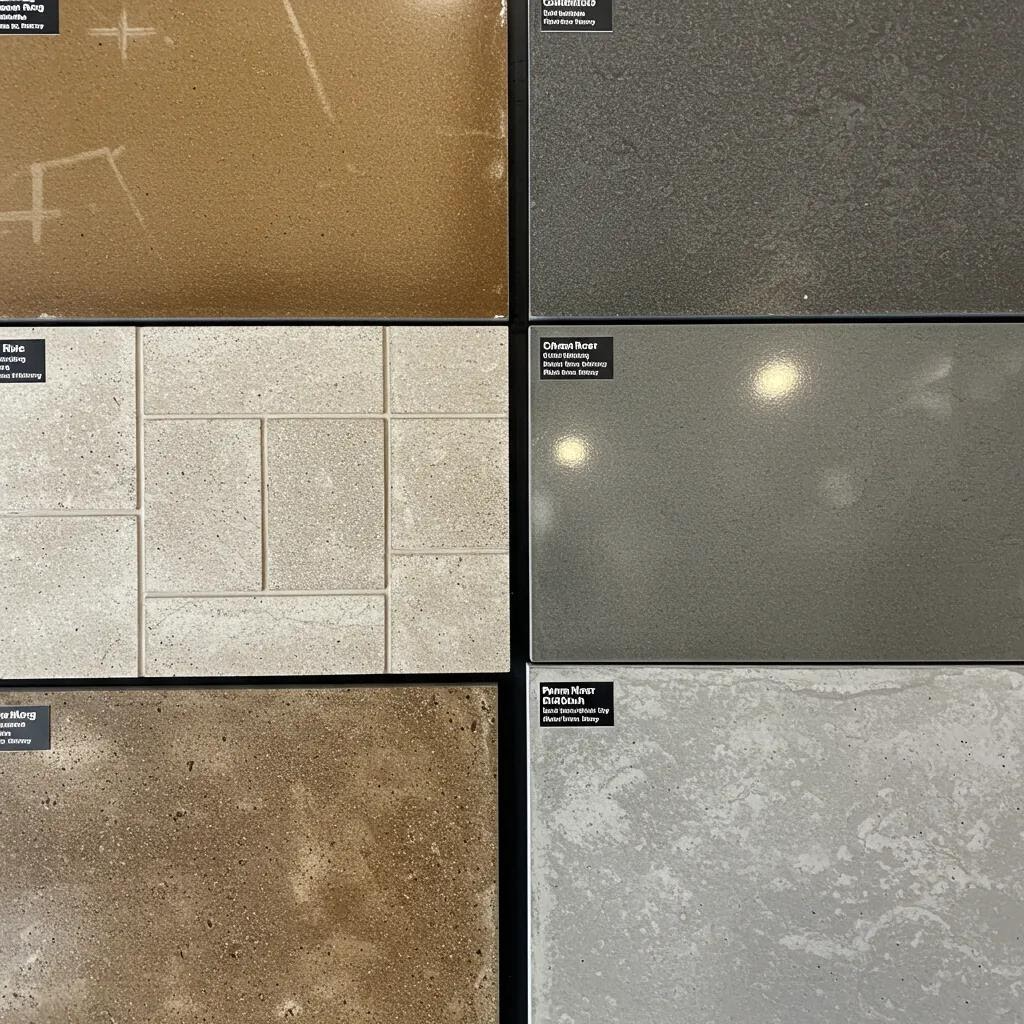
Commercial concrete finishes range from high-gloss polished concrete and protective coatings to decorative staining, stamping, and exposed aggregate. Each option combines functional properties—such as chemical resistance and abrasion control—with design flexibility to reflect corporate branding or aesthetic themes.
What Are the Features and Benefits of Polished Concrete Floors?
Polished concrete floors undergo progressive grinding with diamond abrasives, creating a smooth, reflective surface that enhances light reflectivity and reduces artificial lighting needs. This type of polished concrete finish increases hardness and abrasion resistance, delivering a dust-proof surface ideal for retail showrooms and office lobbies. The low-porosity layer of polished concrete simplifies cleaning and extends slab life, making it a highly sought-after solution. The aesthetic versatility of polished concrete also allows for various levels of sheen and aggregate exposure.
How Do Epoxy and Polyurea Coatings Protect Commercial Concrete?
Epoxy and polyurethane coatings, often formulated from durable resin compounds, form chemical-resistant membranes that shield concrete from acids, solvents, and spills. Epoxy resin binds tightly to the slab, preventing dusting and oil penetration, while fast-curing polyurea delivers superior flexibility and crack bridging. Polyurethane coatings offer excellent UV stability and abrasion resistance, making them ideal for outdoor or high-wear areas. All these coatings improve slip resistance and can be formulated in custom colors or patterns, with the specific resin type dictating many performance characteristics.
What Decorative Options Exist: Stained, Stamped, and Exposed Aggregate Concrete?
Acid or water-based stains chemically react with cement to produce variegated hues, enabling faux-marble effects. Stamped concrete imprints textures such as brick or stone directly onto green concrete, replicating high-end materials at lower cost. Exposed aggregate reveals colored stones in the surface, adding slip resistance and a natural aesthetic that complements outdoor plazas and parking decks.
When Should Acrylic Sealers Be Used for Commercial Concrete?
Acrylic sealers provide an economical protective layer for low-traffic areas such as office corridors or storage rooms. These breathable membranes resist UV yellowing and offer moderate chemical protection, making them suitable where aesthetic enhancement is desired but extreme durability is not critical. Their quick drying times enable fast project turnarounds.
How Do Commercial Concrete Contractors Ensure Quality Installation and Repair?
Professional contractors optimize performance by following industry standards for site preparation, material selection, and finishing techniques. By employing certified technicians, specialized equipment, and real-time quality monitoring, contractors deliver uniform surface profiles, consistent densities, and long-lasting repairs.
What Is the Process for Commercial Concrete Installation and New Pours?
Concrete installation begins with substrate evaluation and compaction to prevent settlement. After installing reinforcement such as welded wire mesh or rebar, a precise concrete mix is pumped, screeded, and bull-floated. Proper curing—via moisture retention or curing compounds—ensures complete hydration and minimizes shrinkage cracks. Final polishing or coating follows slab maturity testing.
How Are Commercial Concrete Repairs Performed for Cracks and Damage?
Repair technicians assess damage types—hairline cracks, spalling, slab settlement—and select appropriate methods: epoxy injections for structural cracks, polymer-modified overlays for surface restoration, or partial slab replacement for severe deterioration. Each technique reinstates slab integrity and prevents moisture infiltration that can accelerate deterioration.
Why Is Regular Maintenance and Sealing Essential for Commercial Concrete?
Routine inspection and resealing maintain surface protection against abrasion, moisture, and chemical attack. Sealers replenish lost film thickness, preserving the concrete’s mechanical properties and aesthetic sheen. Proactive maintenance lowers the risk of costly structural repairs and extends the service interval between major interventions.
The development of sustainable and resilient concrete flooring systems, particularly for industrial applications, is an active area of research focusing on enhanced durability.
Enhancing Industrial Concrete Floors: Durability with Sustainable HardenersThis paper focuses on the development of sustainable and resilient concrete flooring systems. In the study, we analyze the effectiveness of sustainable dry-shake surface hardeners, aiming to enhance the durability and performance of industrial concrete floors.Enhancing durability and sustainability of industrial floors: A comparative analysis of dry-shake surface hardeners, W Abbass, 2024
How Do Contractors Address Safety and Compliance in Commercial Concrete Projects?
Contractors integrate slip-resistant aggregates, drainage grading, and expansion joints to meet local building codes and OSHA standards. They document material certificates, conduct on-site testing for compressive strength and flatness tolerances, and implement dust control measures. This systematic approach ensures regulatory compliance and safeguards occupant health.
What Are the Best Commercial Concrete Flooring Solutions for Different Industries?
Commercial environments impose unique demands—forklift abrasion in warehouses, decorative appeal in retail, chemical exposure in manufacturing, and weather resilience in parking structures. Tailored concrete systems address these requirements through mix design adjustments, finish selections, and protective coatings.
| Industry | Primary Challenge | Recommended Finish |
|---|---|---|
| Warehouse | Heavy equipment wear | High-density polished concrete |
| Retail | Visual appeal & foot traffic | Custom‐tinted epoxy terrazzo |
| Industrial | Chemical spills | Polyurea or chemical‐resistant epoxy |
| Parking Structure | Freeze-thaw cycles | Silicate densifier and breathable sealer |
This comparison underscores how matching finish properties to operational stresses optimizes performance and durability.
How Are Warehouse Concrete Floors Designed for Heavy Traffic and Equipment?
Warehouse floors require compressive strengths above 5,000 psi, joint spacing to control cracking, and polished concrete overlays to minimize dusting. High-density polished concrete is particularly effective in these demanding environments. Densifiers penetrate the slab, strengthening surface hardness and preventing aggregate pop-out under forklift loads. This design supports continuous logistics operations.
What Makes Retail Store Concrete Flooring Ideal for Aesthetics and Foot Traffic?
Retail venues benefit from glossy, uniform surfaces, often achieved with polished concrete, that reflect lighting and highlight merchandise. A well-maintained polished concrete floor can significantly enhance the shopping experience. Epoxy terrazzo systems integrate decorative chips and pigments, offering slip resistance and easy cleaning. The seamless finish withstands constant pedestrian flow while reinforcing brand identity through custom color schemes.
How Do Industrial Facilities Benefit from Chemical-Resistant Concrete Floors?
Industrial facilities handling oils, acids, or solvents rely on epoxies, polyurea, and polyurethane coatings with specialized formulations that resist chemical attack. These floors prevent substrate degradation, facilitate spill containment, and simplify decontamination. A high-performance polyurethane topcoat can significantly extend the life of industrial floors. Rapid-curing variants minimize production downtime for maintenance.
What Are the Requirements for Durable Parking Structure Concrete Solutions?
Parking decks face moisture intrusion, chlorides from de-icing salts, and freeze-thaw stresses. Silicate densifiers harden the surface, while breathable sealers block water entry without trapping moisture. Exposed aggregate surfaces improve skid resistance on ramps and withstand climatic fluctuations.
What Are the Advantages and Applications of Commercial Epoxy Flooring?
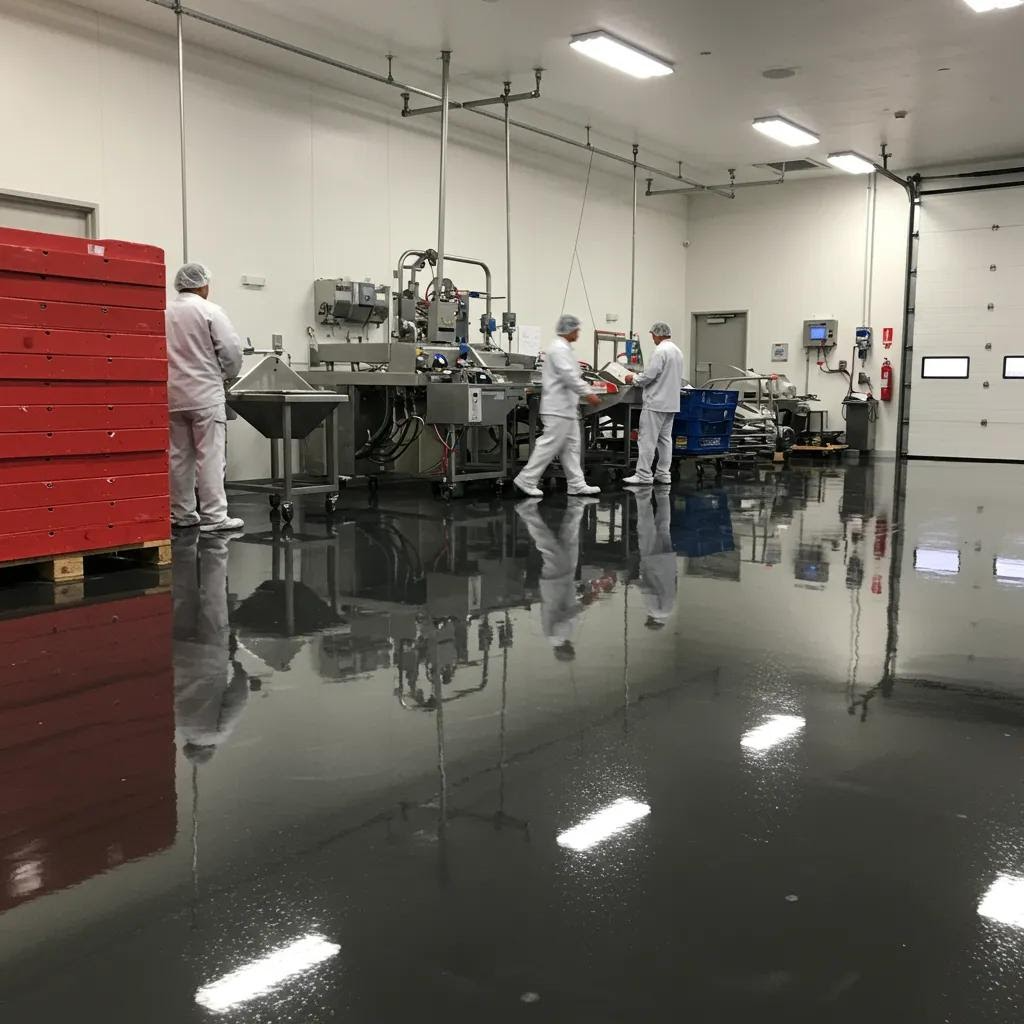
Commercial concrete epoxy systems bond tightly to substrates, forming seamless, impermeable layers that enhance chemical resistance, abrasion protection, and aesthetic variety. These coatings support demanding environments where surface integrity and hygiene are critical.
How Does Epoxy Flooring Provide Chemical and Abrasion Resistance?
Epoxy resins cure into rigid polymers that resist penetration by oils, acids, and mild alkalis. The robust nature of the epoxy resin provides exceptional protection. Reinforced with quartz or aluminum oxide fillers, epoxy surfaces withstand abrasion from foot traffic and machinery. This combination preserves substrate strength and prevents dusting under continuous operational stresses.
What Are the Installation and Maintenance Considerations for Epoxy Floors?
Epoxy installation requires meticulous substrate preparation: shot blasting or diamond grinding to reveal sound concrete, followed by thorough dust removal. Multi-coat systems—primer, body coat, and topcoat—ensure uniform thickness. Maintenance involves gentle scrubbing with pH-neutral cleaners and periodic topcoat rejuvenation to maintain gloss and protection.
Which Commercial Settings Benefit Most from Epoxy Flooring?
Epoxy flooring excels in food processing plants, pharmaceutical cleanrooms, automotive garages, and cold storage warehouses. Its seamless, hygienic surface resists microbial growth and simplifies sanitation protocols, while chemical resistance safeguards against process spills and cleaning agents.
How Does Epoxy Compare to Other Concrete Floor Coatings?
Compared to acrylic sealers, epoxy offers far superior chemical resistance and impact strength. While polyurea cures faster, epoxy provides greater hardness and flexibility in decorative options. Polyurethane coatings, on the other hand, are often chosen for their excellent UV stability and abrasion resistance, making them a versatile option. Acrylics suit low-traffic aesthetics, polyurea excels in rapid-return applications, and epoxy balances cost, durability, and design, with polyurethane offering a strong middle ground for many commercial needs.
How Can Commercial Concrete Solutions Support Sustainability and Eco-Friendliness?
Sustainable commercial concrete practices prioritize resource efficiency, waste reduction, and carbon footprint minimization through reclaimed materials, energy-saving finishes, and life-cycle planning that extends slab service life and reduces renovation frequency.
What Makes Polished Concrete an Eco-Friendly Flooring Option?
Polished concrete repurposes existing slabs, eliminating new material extraction and reducing construction waste. Highly reflective polished concrete surfaces enhance daylight harvesting, cutting lighting energy use by up to 30 percent. By extending slab life, polished concrete defers replacement and lowers embedded carbon over decades, making it a truly sustainable choice.
How Do Sustainable Materials and Practices Impact Commercial Concrete Projects?
Integrating supplementary cementitious materials—fly ash, slag, silica fume—reduces Portland cement content and embodied CO₂. Recycled aggregates and water-recycling systems reduce landfill waste and conserve freshwater. Certification under green building programs rewards projects with credits for these practices.
What Are the Environmental Benefits of Using Precast and Prestressed Concrete?
Precast and prestressed concrete components are produced in controlled facilities, optimizing material use and minimizing on-site waste. High-quality off-site curing reduces energy consumption and accelerates project schedules. Their longevity and end-of-life recyclability support circular construction economies.
What Are Common FAQs About Commercial Concrete Flooring and Services?
Commercial concrete clients often seek clarity on lifespan expectations, finish suitability, coating differences, maintenance intervals, and damage indicators. Addressing these themes early guides procurement decisions and reduces post-installation uncertainties.
How Long Do Commercial Concrete Floors Typically Last?
A professionally installed and maintained concrete floor can last 30 to 100 years, depending on traffic intensity, finish type, and preventative care. High-density polishing and regular sealing extend surface integrity, while heavy-duty coatings protect against chemical and mechanical wear.
Is Polished Concrete Suitable for All Commercial Spaces?
Polished concrete adapts to most commercial environments but may be less ideal where moisture vapor transmission is excessive or where slip-resistant textures are mandatory. In such cases, adding anti-skid aggregates or selecting appropriate coatings ensures both performance and safety.
What Is the Difference Between Epoxy and Polyurea Coatings?
Epoxy cures into a hard, decorative finish with excellent chemical resistance and design options, but requires longer cure times. Polyurea offers rapid return-to-service and greater flexibility to bridge substrate movement, though it may cost more and provide fewer color blends.
How Often Should Commercial Concrete Be Sealed or Maintained?
Concrete sealers typically require reapplication every 1–3 years based on finish type and traffic loads. Polished floors benefit from annual light buffing and denser sealers every 3–5 years. Coated systems may need topcoat renewal every 5–7 years to maintain chemical and abrasion resistance.
What Are the Signs That Commercial Concrete Needs Repair?
Visible cracks, spalling edges, surface delamination, and persistent staining indicate underlying slab damage. Uneven settlement, joint deterioration, or efflorescence suggest moisture issues. Early detection and repair prevent more extensive structural remediation and support continuous safe operations.
Commercial concrete delivers a powerful blend of durability, safety, and design freedom across diverse business environments. By selecting the right finish—whether polished, decorative, or epoxy-coated—and partnering with skilled contractors for installation, maintenance, and repair, organizations achieve lasting performance and cost-effective flooring solutions. Emphasizing eco-friendly materials and proactive upkeep further enhances ROI and supports sustainable building practices.
